
Creating a Bedtime Routine That Promotes Independent Sleep
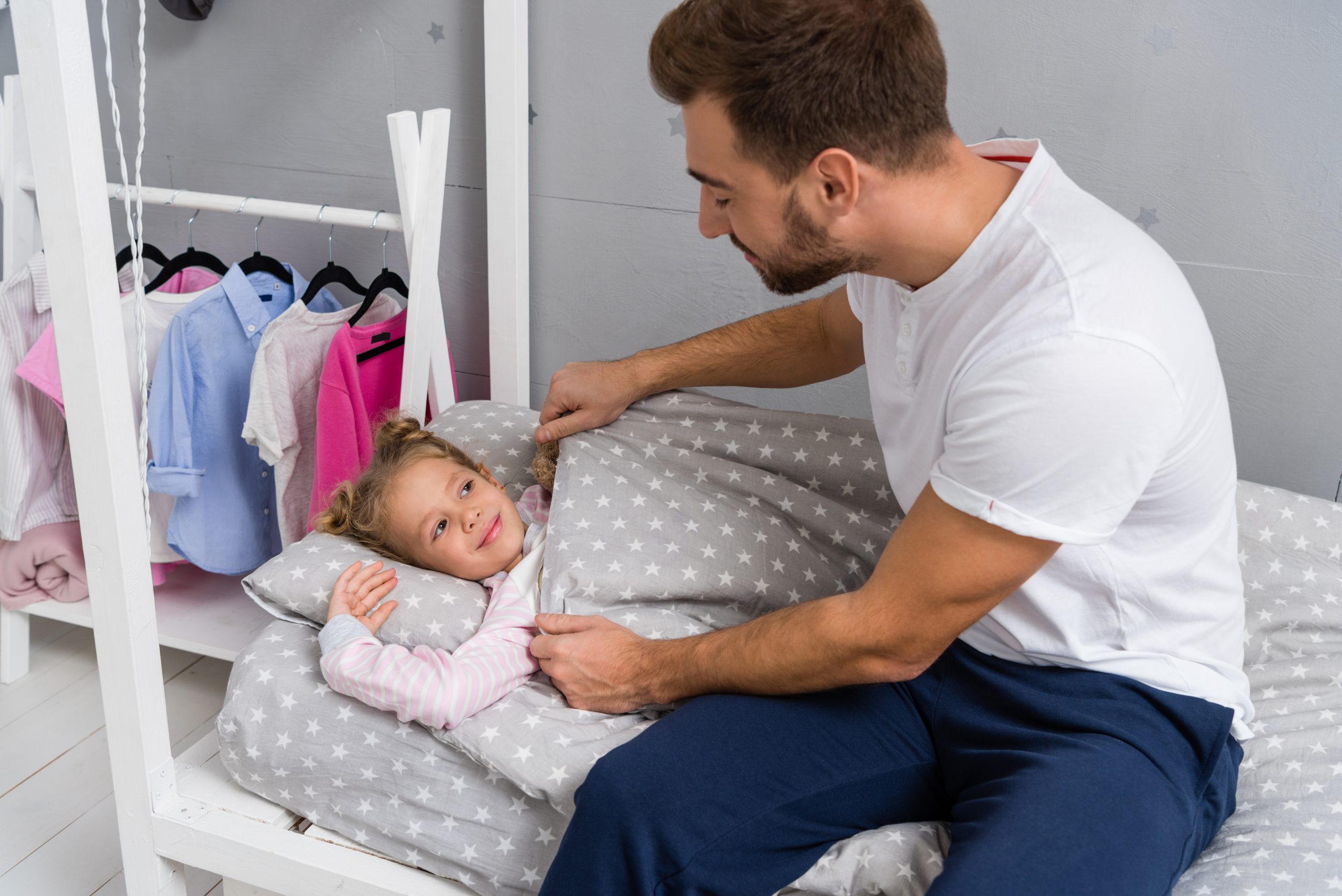
If your evenings feel chaotic, filled with stall tactics, meltdowns, or endless requests for “one more thing,” welcome to the club… this is pretty typical. But it doesn’t HAVE to stay this way. The toddler and preschool years are filled with developmental leaps, growing independence, and lots of big feelings. However, establishing a consistent, connected bedtime routine is one of the most powerful ways to encourage independent sleep and peaceful nights.
As a certified pediatric sleep consultant specializing in 2–7 year olds, I’ve worked with hundreds of families to transform bedtime battles into bonding moments. In this post, I’ll walk you through how to build a bedtime routine that helps your child fall asleep independently while feeling safe, secure, and loved.
Why a Consistent Bedtime Routine Matters
Children thrive on predictability. When they know what to expect, they feel secure. That security translates into better sleep. A well-established bedtime routine acts like a bridge between the busy energy of the day and the calm your child needs to fall asleep independently.
Benefits of a Bedtime Routine
Establishes a Sleep-Wake Cycle
Predictable routines help regulate your child’s internal clock, making it easier to fall asleep and wake up consistently.
Reduces Bedtime Resistance
When children know what’s coming next (no matter what they do or say), they’re less likely to push back. Consistency builds cooperation over time.
Promotes Self-Soothing
A calming routine helps your child shift into a relaxed state, preparing their mind and body to settle down without needing your help to fall asleep.
Steps to Create an Effective Bedtime Routine
Set a Consistent Bedtime
Choose a bedtime that works for your child’s age and stick to it, even on weekends. The more consistent the timing, the more easily their body will adapt to winding down at the same time each night. If you child is going through a nap strike or transitioning out of nap, then and only then, will you need to adjust bedtime based on that nap or lack of nap. Our goal should always be that our children are getting adequate sleep, in a 24 hour period, for their age!
Develop a Calming Pre-Sleep Ritual
Start by dimming lights and switching off screens about 45–60 minutes before bedtime. Then, move into a predictable series of calming, connection-based activities like:
- Reading together (see my free Bedtime Booklist for favorites!)
- Snuggling and sharing “dream goals”, what silly or sweet adventures might they dream about tonight?
- Taking a warm bath with calming scents like lavender
- Listening to gentle music or using a sound machine
Need help figuring out what kind of bedtime activities will actually help your child settle? My Sensory-Seeking Activities for Bedtime Toolkit is designed to match your child’s sensory needs with calming strategies that actually work.
Create a Sleep-Friendly Environment
Children sleep better when their environment is calm and consistent.
Here’s what to aim for:
- Comfortable bedding that your child feels cozy in
- Dim lighting or a soft nightlight if needed for fears
- White noise or quiet surroundings to reduce stimulation
If your child is showing signs of nighttime fears, a fun new nightlight or a small comfort item can make a big difference. I also love the idea of “Door Hearts,” like in the book Bedtime Hearts, a simple visual reminder that you checked on them during the night, without disrupting their sleep.
Gradually Encourage Independent Sleep
Falling asleep independently is a skill, and like any skill, it develops best with gentle guidance and practice.
How to Support This:
- Use the Chair Method
Start by sitting near your child while they fall asleep, then gradually move farther away over several nights. This supports their confidence and gives them a sense of safety while learning to fall asleep without you right next to them. - Stay Calm and Consistent
If they get out of bed or call for you, calmly and predictably respond. No new demands, no new negotiations. Reassure, restate the boundary, and return to your plan.
Tips for Success
Be Patient and Consistent
Change takes time, especially when your child is used to falling asleep with help. Stick with your routine for at least 1–2 weeks before making changes.
Adjust for Your Child’s Needs
Some children need more movement before bed (hello, sensory seekers!), while others need extended wind-down time. Observe what helps your child relax, and build your routine around it.
Avoid Overstimulation Before Bed
Limit screens, loud noises, and roughhousing in the hour before sleep. Choose quiet, calm, connection-rich activities instead. My Free Bedtime Prep Guide walks you through the exact steps to follow as you build out your routine.
Key Takeaways
Creating a bedtime routine that promotes independent sleep is all about setting the stage: calm environment, predictable steps, emotional connection, and consistency in your response.
With time and practice, your child will learn to settle confidently into sleep, and you’ll reclaim your evenings with confidence too.
Ready to create a bedtime routine that supports independent sleep?
Download my Free Bedtime Prep Guide for a simple step-by-step plan.
Need extra support for high-energy kids who struggle to settle?
Check out my Sensory-Seeking Activities for Bedtime Toolkit created especially for toddlers and preschoolers who need a little extra help winding down.
FAQ
How long should a bedtime routine be?
Aim for 20–30 minutes, not including the screen-free wind-down period. If your child is sensitive to transitions, you might need a bit longer.
What if my child resists the bedtime routine?
Start small. Pick just a few consistent steps and build from there. Give reminders, use visual schedules or timers, and stay firm with your boundaries while offering lots of empathy.